
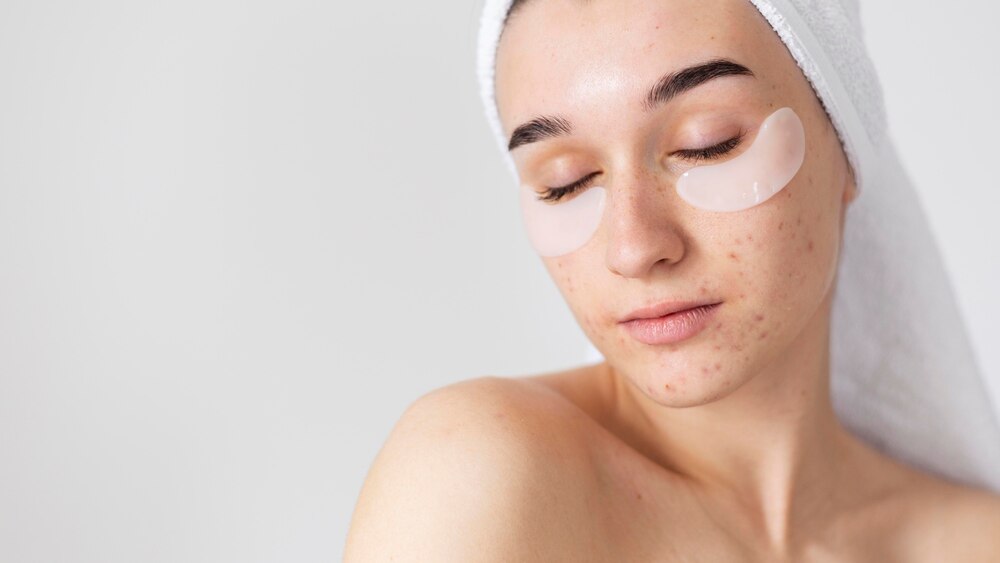
Clearer Skin Starts Here
Personalized, pharmacist-led acne support using evidence-based treatments, OTC guidance, and prescription coordination.
Practical, safe acne care advice from pharmacy professionals.
Safe, Effective Acne Strategies
Acne is common and treatable. Our pharmacists review active ingredients like benzoyl peroxide, salicylic acid, and topical retinoids, and explain how to use them safely for best results. We help you choose the right formulations for oily, dry, or sensitive skin and suggest complementary products to reduce irritation. When OTC options aren’t enough, we outline when to seek prescription treatments and how we can coordinate with prescribers. Practical advice includes how to introduce products gradually, manage side effects, and set realistic expectations for improvement over weeks to months.
Over-the-counter treatments explained
Prescription options when needed
Skincare routine recommendations
Safety and side-effect guidance
Understanding common topical treatments and how to use them.
Topical Treatments Explained
Benzoyl peroxide is a frontline acne treatment for reducing bacteria and inflammation. It comes in strengths from 2.5% to 10% and is available as gels, washes, and creams. Start with a lower concentration to assess tolerability and apply once daily, increasing frequency as tolerated. Expect to see improvement in 4–8 weeks; initial dryness or peeling can be managed with gentle moisturizers. Avoid combining benzoyl peroxide directly with retinoids unless advised. Our pharmacists will recommend the right product strength and vehicle for your skin type and provide tips to minimize irritation while maximizing effectiveness.
OTC Solutions
Benzoyl peroxide, salicylic acid, adapalene options available.
Prescription Support
Topicals and oral medications explained and coordinated.
Skin-Friendly Advice
Gentle cleansers and moisturizers to reduce irritation.
When to escalate treatment and what to expect.
When Medical Treatment Is Needed
Persistent or severe acne may need medical evaluation. Oral antibiotics, hormonal therapies, or isotretinoin are considered based on lesion type, severity, and patient factors. Pharmacists can review medication histories, identify interactions, and counsel on adherence and monitoring requirements. For hormonal acne, combined oral contraceptives or anti-androgen therapies may be appropriate. Isotretinoin requires strict monitoring due to potential side effects and pregnancy-related risks; we provide counselling on safe use, concurrent contraception, and managing dryness. Collaborative care between pharmacists, dermatologists, and primary care ensures safe, effective treatment plans tailored to your needs.
Key Acne Care Principles
Successful acne management combines appropriate products, consistent use, and patience. Start one new product at a time and allow several weeks to assess effect. Protecting skin from UV exposure is crucial, as many acne treatments increase sun sensitivity. Avoid abrasive cleansers and physical scrubs that worsen inflammation. Moisturizers help maintain the skin barrier and can reduce irritation from active ingredients. Track progress with photos and follow up with a pharmacist or clinician if there’s no improvement after two to three months, or if you experience worsening inflammation or scarring.
Introduce products slowly
Use sunscreen daily
Avoid harsh scrubs
Consistency yields results
Simple routines produce clearer skin over time.
Daily Acne Care Routine
A basic daily routine: gentle cleanser morning and night, targeted treatment applied to affected areas, and non-comedogenic moisturizer as needed. In the morning, finish with a broad-spectrum SPF 30+ sunscreen. Avoid picking or popping blemishes to reduce scarring risk. If using multiple active ingredients, apply them at different times (for example, benzoyl peroxide in the morning and a retinoid at night) to reduce irritation. Our pharmacists can create a step-by-step plan tailored to skin type, lifestyle, and any concurrent medications to help you stick with the routine.
Acne FAQs
Frequently asked questions about acne treatment and what to expect from pharmacy support.
How long until I see improvement?
Most people see noticeable improvement in 4–8 weeks; full effects can take several months. Stick with the regimen and check back if there’s no progress.
Can I use multiple acne products together?
Yes, but introduce one at a time. Some combinations increase irritation; we can advise safe pairings and application timing.
Are natural remedies effective?
Some natural ingredients may help mild acne, but evidence varies. We recommend proven actives like benzoyl peroxide and salicylic acid for consistent results.
When should I see a dermatologist?
See a dermatologist for severe acne, nodules, scarring, or when OTC treatments fail. We can help refer and coordinate prescriptions.
Will acne treatment make my skin dry?
Many treatments can cause dryness or irritation. Use a gentle, non-comedogenic moisturizer and introduce actives gradually to reduce side effects.